Unlocking Value in Commercial Real Estate: The Economic Benefits of a Decarbonized Building

This report examines the evidence of these emerging green premiums, including rental premiums and lower vacancy rates in buildings that invest in decarbonization.
Modern Tech, Modern Practices: Upgrading Heat Pump Sizing Guidelines in Canada

How a heat pump is sized and programmed strongly affects its performance over its lifetime. Sizing it correctly can increase energy and emissions savings, reduce operating costs, and improve customer satisfaction. Current industry practices, often relying on outdated rules of thumb or overly conservative models, can result in oversized systems that compromise performance, increase costs, […]
Thermal Energy Networks in Canada: Unlocking Impact Potential and Advancing Enabling Policy
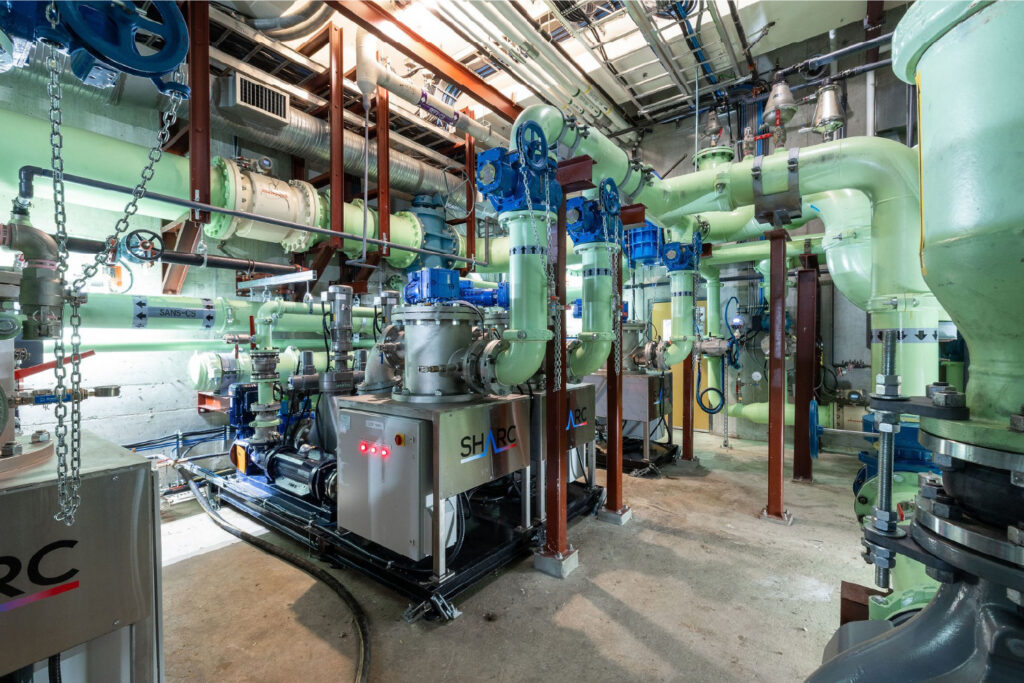
Thermal Energy Networks (TENs) are a promising part of Canada’s decarbonization toolkit. Flexible and efficient, modern fourth- and fifth-generation TENs can help reduce emissions, improve energy resilience, and create local economic opportunities when used strategically, often at a lower cost than other low-carbon alternatives. Despite this promise and growing momentum, TENs serve only 3% of […]
Deep Retrofit Accelerators in Canada: Five Opportunities to Increase Impact
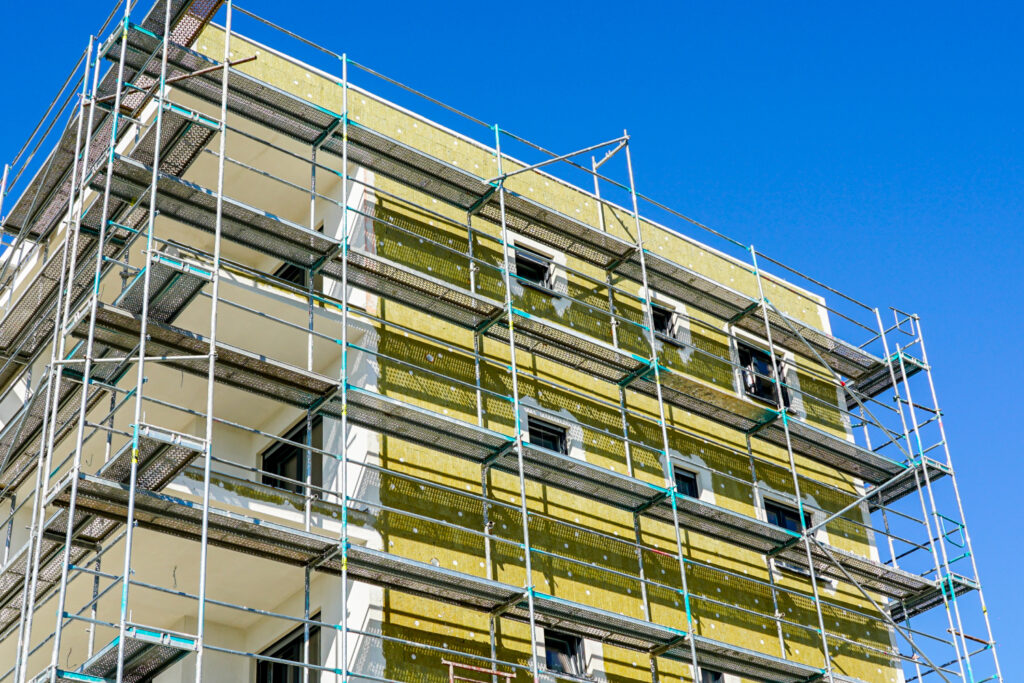
This report highlights the innovation happening within the Accelerators, and provides five opportunities to increase their impact.
Grid Implications of Electrifying Residential New Construction—Update

In the fall of 2023, The Building Decarbonization Alliance published Grid Implications of Electrifying Residential New Construction, a discussion paper written to address concerns about the near-term viability of all-electric new residential construction. Our objective was to capture the utility sector’s perspective on the interplay of electrifying new homes and the electricity grid, and as…
Jurisdictional Scan: Building Heating Decarbonization

This short report offers valuable insights into the range of strategies being employed at municipal, provincial, and federal levels, and includes comparative perspectives from the USA and Europe.
Pace of Progress

This report shows the rate of progress necessary to address the climate crisis, providing policy makers and advocates with a simple but powerful depiction of the rate of adoption required to achieve our climate targets.
The Case for The Building Decarbonization Alliance Open-Source Model

There is currently an important gap in publicly available analytical capacity to evaluate the impacts of building decarbonization measures in Canada. Publicly available models tend to be “top-down”, broad in scope, and lacking the granularity to address the range of technological measures, differences in building stock, and provincial or regional differences. Many “bottom-up” models, meanwhile, are proprietary, closed-source, and built for specific regions rather than national use.
The Cool Way to Heat Homes: Installing Heat Pumps Instead of Central Air Conditioners in Canada
The need for cooling is becoming a matter of life and death in Canada. The 2021 heat dome in BC is the single deadliest weather event in Canadian history, and after the hottest July ever recorded globally and temperatures reaching over 40 degrees in BC in August, it’s no surprise that nearly 7,000 Canadians are adding a central air conditioning system to their home every week.
The Case for Building Electrification in Canada

The clock is ticking. To meet our climate goals, we must act now to reduce greenhouse gas (GHG) emissions from Canada’s buildings and the systems that support them. With this impetus, it’s more important than ever for stakeholders to have clear and reliable information on the most effective pathways to decarbonizing our buildings—and in this position paper, we make the case for electrification as the best way for the sector to achieve net zero.